From Goldfields to Grapevines: The Early Years of Best’s Great Western

Part One of our 160th Anniversary Series
2026 marks 160 years since Henry Best purchased 73 acres of land alongside the Concongella Creek and began turning a dream into a vineyard. It is a milestone we are incredibly proud of, and throughout the year, we will be sharing the rich, sometimes surprising story of how Best’s Great Western has become part of the fabric of Australian wine.
Only two families have ever owned Best’s, with the fifth generation of the Thomson family now at the helm. We begin the journey as the young Henry Best goes in search of his fortune but ends up creating something special that will see Best’s enduring legacy become one of Australia’s great families of wine.
Great Western and the Gold Rush
To understand how Best’s came to exist, you must go back a little further than 1866. The discovery of gold in Victoria in the early 1850s drew prospectors from across the colony and beyond, all chasing their fortune. The Western Districts proved fruitful and by the late 1850s, the goldfields around Ararat, Stawell and the surrounding districts had lured tens of thousands of fortune hunters to the region.
Several thousand of them made camp along the banks of Concongella Creek. It was here that the name Great Western was born. Legend has it that a gold commissioner wandering the camps asked what the place was called. One miner suggested Great Eastern, after a famous steamship making headlines around the world at the time. Another pointed out that they were standing at the most westerly goldfield in the state and that Great Western would be a more fitting name. The area was sometimes simply called “The Western,” and the name Great Western stuck.
The Best Brothers Arrive
Among the many young men drawn to Great Western were brothers Joseph and Henry Best. Both had attended St James’ School in Melbourne before working on cattle stations at Minhamite and Caramut, owned by their sister Mary Ann and her husband Robert Whitehead. Like so many Victorians of the era, they caught gold fever and tried their luck at several goldfields. Some success came their way, but the brothers were practical men and quickly recognised that there were more reliable ways to make a living. With thousands of miners in the district needing to be fed, they spotted a clear opportunity. They established a slaughterhouse and sale yard in Great Western in partnership with a man named Joseph Watson. The business traded as Watson and Best, and they even had a slogan:
Good, Better, Best, Never let it Rest, Till Your Meat is Better And Your Butcher Best.
Business was strong. The partnership ran for six years and established the Bests and Watson as well-regarded figures in the community. When Watson departed in 1864, a formal banquet of 60 guests was held in his honour, described in the Ararat Advertiser as a very special occasion with every delicacy provided in abundance. But the gold rush was winding down. The population had thinned and the demand for meat had fallen considerably. With characteristic pragmatism, the Best brothers turned their attention to something new. They started planting grapevines.
Henry Plants His Roots at Concongella
While Joseph, with the assistance of Henry and their father David, was laying foundations for the Great Western Vineyard at Seppelt, Henry was quietly embarking on a venture of his own.
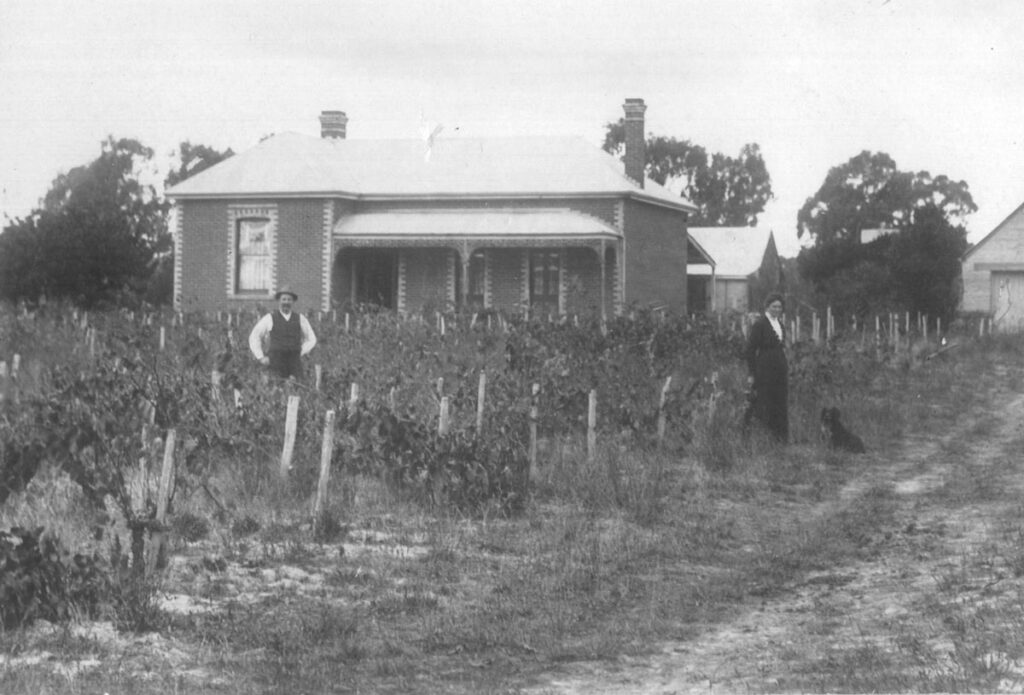
In 1866, Henry Best purchased 73 acres of land alongside Concongella Creek, just over a mile from his brother’s vineyard. He named the property Concongella. Clearing the land was no small task and Henry largely did the work himself, chopping down the gums and using the timber for fence posts to mark the property and to build the cellar and stable. It took the best part of a year.
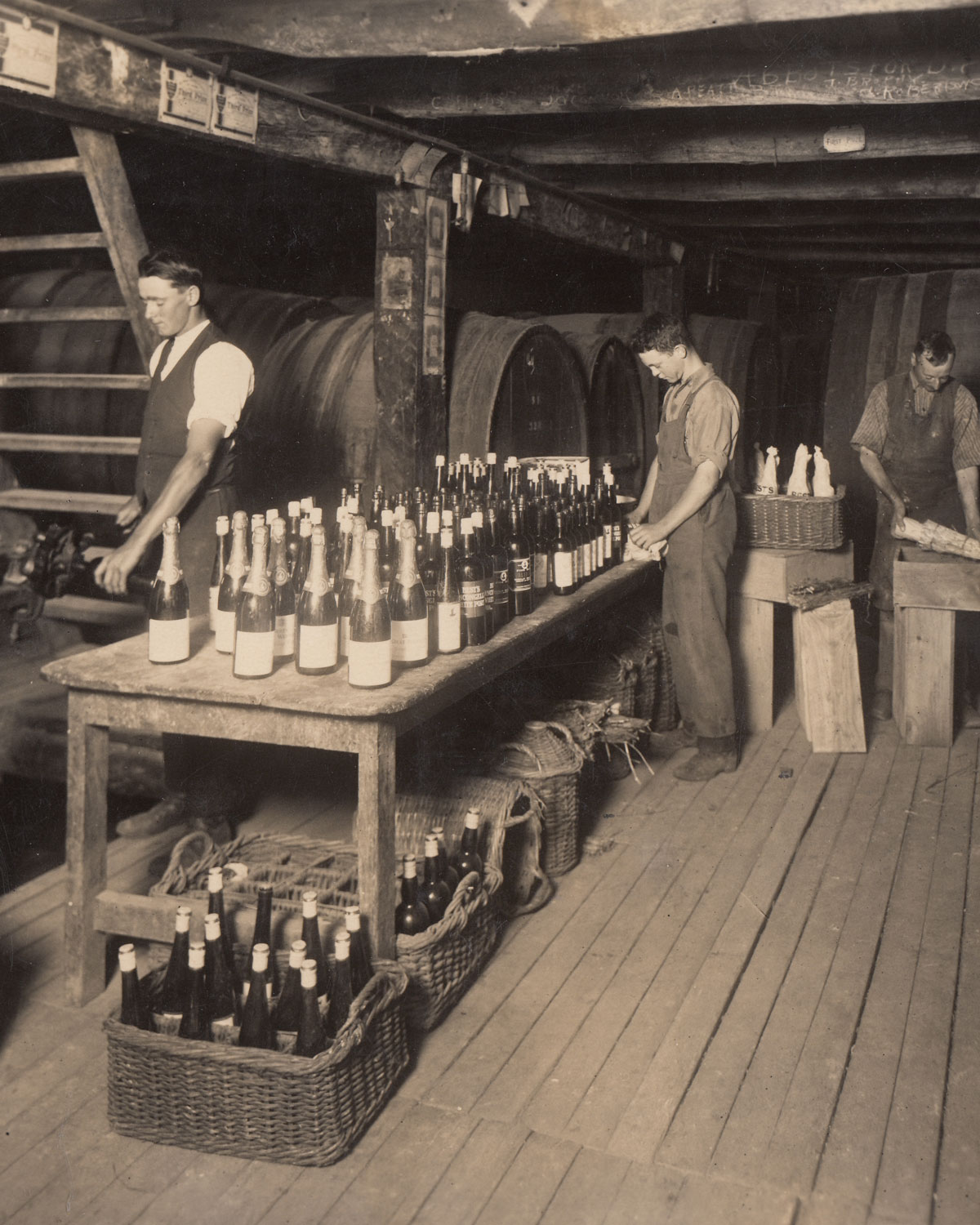
In 1868 he planted his first vines. The rows ran north to south, a standard practice in France. Henry planted whatever varieties he could get his hands on, giving them names like Mixed Trouette, Black St Peters, Bad Bearer, Rough Leaf, Grand Turk and Greenarch, reflecting their origins and physical character. It was a treasure trove! The Nursery Block eventually came to contain 39 different varietals, some of which remain unidentified to this day. Henry also carried out his own excavation work, digging a large, egg-shaped pit lined with concrete that would become his first storage vat. Henry’s meticulous notes and diaries, which can still be found at Best’s Cellar Door, record that the vats could accommodate wine from both Henry and Joseph’s vineyards, with bottles washed in preparation for bottling from both properties.
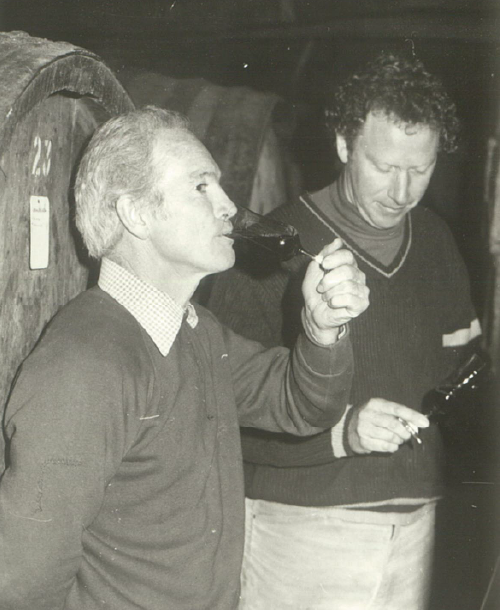
Henry had one strong preference throughout. He had a distinct dislike for spirit-laden dessert wine, his passion firmly for table wine rather than the highly fortified sweet variety, a conviction well ahead of its time that would be part of the legacy of Best’s throughout the next few decades and set it apart from many other local wineries of the time.
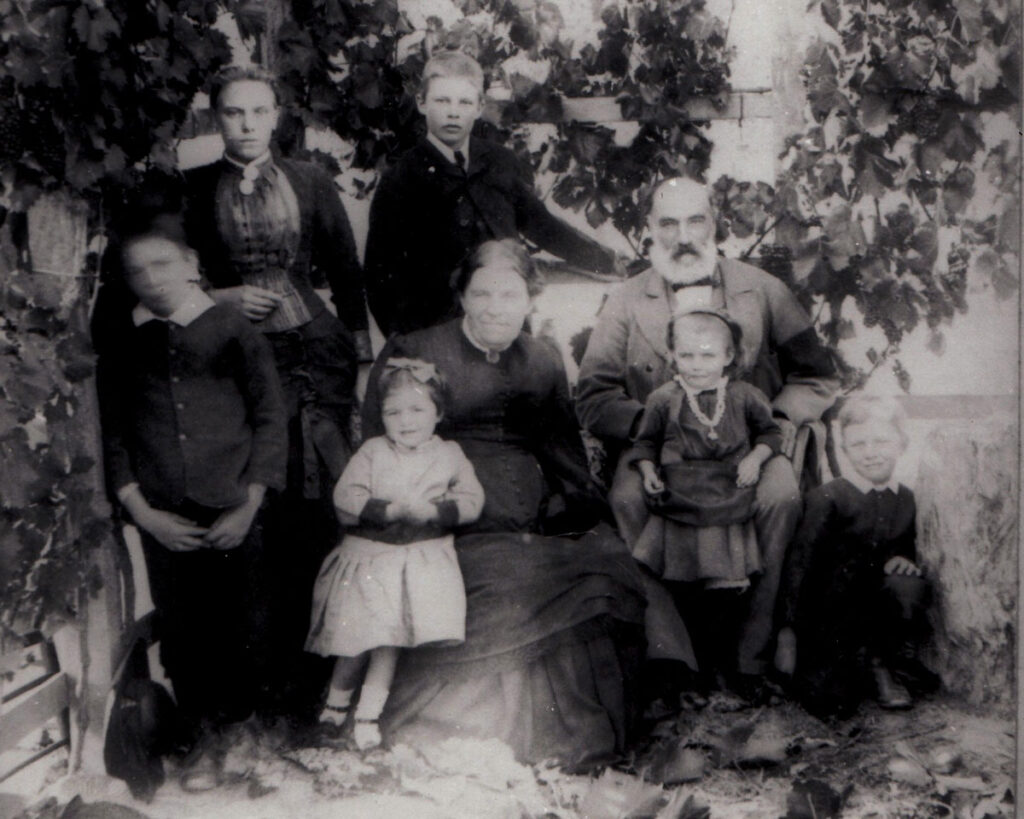
The wines from Concongella proved popular in Britain and parts of Europe, winning awards nationally and internationally. In 1872, Henry married Jesse Abercrombie, daughter of Charles and Elizabeth Forbes from South Australia. They were married in Stawell and had seven children together.
Surviving Phylloxera
Not everything in those early years was within Henry’s control, and this is where fortune played its part.
In 1877, phylloxera swept through Victoria’s wine regions, decimating vineyards across central Victoria. Many wineries never recovered. Remarkably, the Great Western vineyards were unscathed. Distance, usually a disadvantage in regional Australia, proved a distinct advantage for the Bests in this instance. An economic recession that followed in phylloxera’s wake pushed even more wineries to the wall. Again, both Best vineyards survived.
Those original vines that Henry planted by hand from 1868 still stand today and are among the oldest pre-phylloxera vines in the world. Henry died in 1913 and the estate passed to his son Charles.
Charles Best Takes the Helm
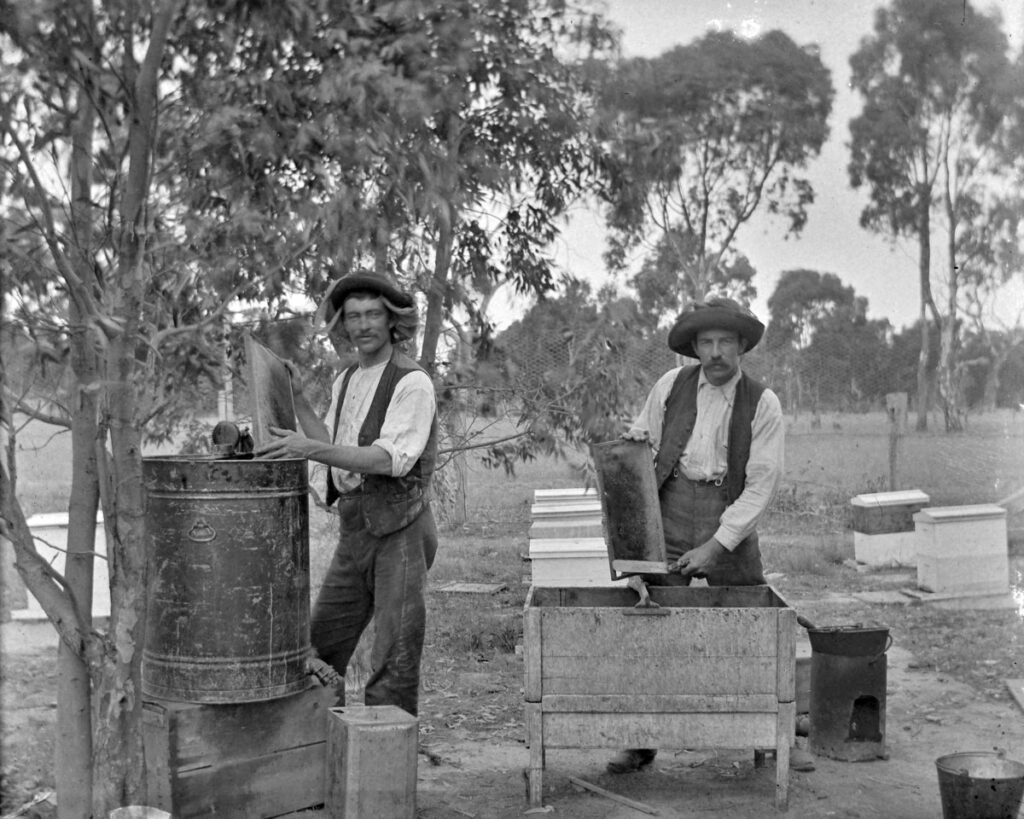
Charles Best inherited his father’s work ethic and an entrepreneurial spirit to go with it. He attended Stawell Technical College and gained certificates across several subjects and was also a keen beekeeper. With both of his brothers away serving in World War I — Joseph as chaplain with the 39th Battalion AIF in France and later with the Australian Mounted Division in Palestine — the responsibility of running the property fell largely to Charles, with assistance from his brother-in-law Robert (Bob) Fisher in the cellar and vineyards. Bob was a loyal worker who worked at Best’s for over 30 years. Bob’s sister Fanny, married Charles Best.
The estate continued to prosper and win recognition during his tenure. But Charles had no children of his own, and without the same passion for winemaking that had driven his father, the weight of running the property alone eventually took its toll. In 1920 he made the decision to sell. The property, the business, the stock, the equipment and the name Best’s Great Western Wines passed to local vigneron Frederick Pinchon Thomson for £10,000. Charles moved to Ararat and became senior partner in a real estate and stock firm.
The sale may have marked the end of the Best family’s direct involvement in Best’s Wines, but it certainly did not mean the end of the Best’s brand and business.
The Thomson Family: Already Part of the Great Western Story
While the Best family had been building Concongella into a celebrated local estate, another family had been quietly finding their place in the same region.
William Thomson was a Scottish-born settler, born in 1849, who made the long voyage to Australia as a young boy in 1853. With his wife Emily Pinchon, he began his career as a baker, opening his own bakery in Buninyong before it tragically burnt down in September 1873. This setback forced him back to Melbourne, where he opened a bakery in Flinders Street, then another in Emerald Hill.

In 1888, William was invited to Melbourne’s Great Centennial Exhibition as a Temperance caterer. It is worth noting that Henry Best was also an exhibitor that year, his 1885 Great Western Chablis earning a Third Order of Merit at the Exhibition. Whether the two men met on that occasion, we cannot say for certain, but it is a possibility that has long intrigued us.
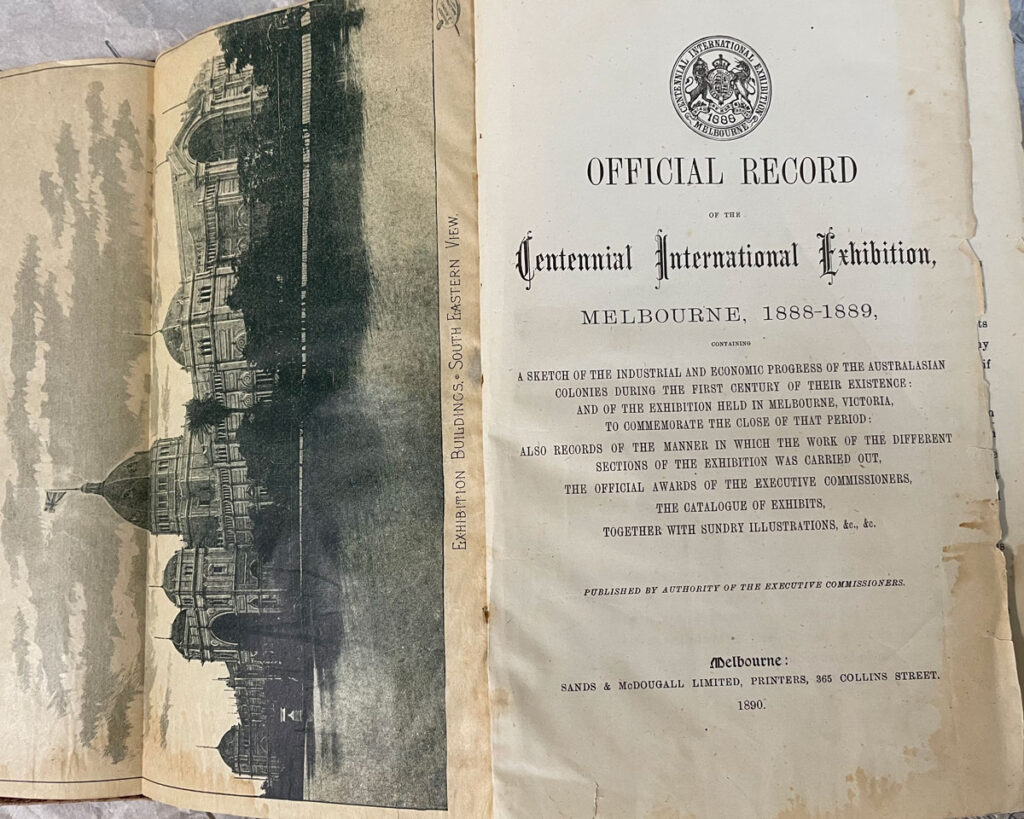
Five years after the Exhibition, in 1893, William purchased the 340-acre Lorimers Vineyard at Rhymney, just 13 kilometres south of Best’s, and renamed it St Andrews. He set about expanding and enhancing the property into a highly productive winery and orchard, helped by his son Frederick, who was sixteen at the time.

In 1900, William sold St Andrews to his 24-year-old son Frederick Pinchon Thomson, who had by then gained some valuable experience, and returned to Moonee Ponds, near Melbourne, to continue life as a Temperance caterer and baker. Young Frederick was already a partner in a grocery, wine and spirit store in Ararat, with several wholesale and retail outlets in Ballarat and throughout the Wimmera. He and his wife Emily had seven children.

Best’s Changes Hands: The Thomson Family Takes Custodianship
Twenty years later, in 1920, when Charles Best decided it was time to sell, it was Frederick who purchased Best’s Great Western Wines, bringing the Concongella estate into Thomson family care. The cost was £10,000 and clearly Frederick considered it an opportunity too good to pass up. A letter from Frederick to his parents, written on 16 June 1920, spells out some of the details:
I pay £8,000 cash and the balance of £2,000 in three months. I signed the contract yesterday and paid £500, next payment is in a fortnight. I am selling my Ararat and Minyip shops and going into wine alone. I am selling out of everything outside, houses in Ararat (I mean the two cottages) and the land.
In the end, Frederick did not sell his Minyip shop, but he did sell his two cottages, the family home in Banfield Street, Ararat, and his Ararat shop. Emily agreed to move from Ararat to their St Andrews property on one condition: that their daughters board at Firbank School in Melbourne.
Frederick no doubt started at Best’s with a high degree of optimism. Certainly, there was a lot at stake, given what he had sold to purchase the property and business. However, several factors largely beyond his control soon saw Frederick having to rely on ingenuity, hard work and luck to survive.