Grampians Shiraz: The Story of Place in Every Glass
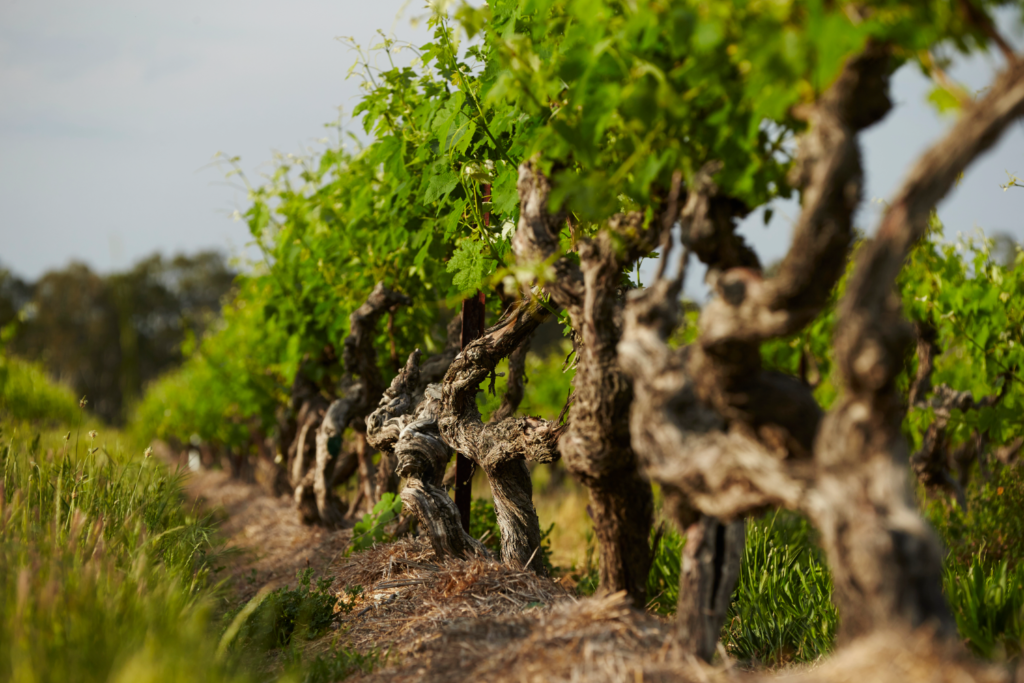
Pour a glass of Grampians shiraz and you are tasting a very specific piece of Western Victoria. The fragrance, the medium body, the complexity that comes alive at the table, none of it is accidental. The distinctive flavour comes from the soil beneath the vines, the diurnal temperature fluctuations in our cool-climate region, and from vines that in some cases have been growing on this land since the 1860s.
Few places in Australia make that argument as convincingly as the Grampians. There’s a distinctive style that sets us apart from other bigger, bolder Australian shiraz wines.
Grampians Shiraz is known for its medium-bodied style and aromatics, with a character that is genuinely its own — complex, savoury, and deeply food-friendly. Let’s dig into what makes shiraz from our region so memorable.
Wine Flavour Begins with Place
The French have a word for this: terroir. It describes the full environment that shapes how something tastes — the soil, the climate, the slope of the land, the way light falls across a vineyard. It was developed to explain wine, but the same principle applies across the food world.
Oyster lovers already understand it intuitively. A rock oyster from Merimbula in NSW tastes different from one farmed at Coffin Bay, even though they’re the same species. The oyster is a filter feeder: it draws everything it needs – the minerals, algae, salt, directly from the water around it. The estuary ends up in the shell.
Australian honey works the same way. Jarrah honey from Western Australia has a dark, caramel intensity that Leatherwood honey from Tasmania’s wild west coast never will, and neither taste anything like the mild, golden Red Gum honey from Beechworth.
Grapes are no different. A shiraz vine draws water and nutrients from the soil beneath it, ripens in response to the temperature and light above it, and produces fruit that carries the character of all of it. The Grampians happens to be a place where that character is particularly vivid and particularly its own.
The Grampians region is known for Shiraz
The Grampians sit in Western Victoria, roughly three hours from Melbourne, in the shadow of a dramatic mountain range that has shaped the landscape for millennia. It is one of Australia’s oldest wine regions, with vines first planted here during the gold rush of the 1860s. More than 170 years later, the region is still producing Grampians shiraz, unlike anywhere else in Australia.
Wine Australia figures show that shiraz accounted for 63% of the total crush in the Grampians for the 2025 vintage — making it by far the dominant variety in the region. At Best’s, where we have grown and made shiraz across five generations, it has been central to our story since the very beginning.
Three things define what goes into the glass: the climate, the soil, and the age of the vines.
- The climate here is cool but not cold. Long, warm days allow the grapes to ripen fully, while cool nights slow the process just enough to preserve the natural acidity and aromatic compounds that give the wine its lift and fragrance. The Southern Ocean sends a moderating influence north across the region during summer, and mild, sunny autumns allow grapes to hang and develop flavour without rushing to the finish line. The result is a long, slow ripening season — and wines with depth, structure, and freshness in balance.
- The soils are predominantly sandy loam over granite — naturally infertile and free-draining. A vine working hard for everything it needs produces fewer, smaller grapes with more concentrated flavour. It also contributes a mineral quality to the wine: that savoury, stony underpinning that runs beneath the red fruit and spice of Grampians shiraz.
- The vine age at Best’s is extraordinary. Henry Best purchased the Concongella property in 1866 and planted the first vines in 1868, some including our Thomson Family Shiraz vines of which are still producing today. Over more than 160 years, their root systems have pushed deep into the earth, finding moisture and minerals that younger vines cannot reach. Old vines yield less fruit, but what they produce has a concentration and complexity that cannot be replicated. When you taste a wine from these blocks, you are tasting the accumulated memory of this particular site.
What the science tells us about Peppery Shiraz
The pepper note in Grampians shiraz has a name: rotundone. It is an aromatic compound found in grape skins, and it is extraordinarily potent. Researchers at the Australian Wine Research Institute (AWRI) found that a single drop added to an Olympic-sized swimming pool would make the water taste of pepper.
The AWRI began investigating the source of peppery character in Australian shiraz in 1999, and in 2007 identified rotundone as the compound responsible. What the research showed was striking: rotundone accumulates in grape skins late in the ripening process, and it builds in higher concentrations when temperatures during that critical period are cool. The Grampians’ mild nights during the post-veraison window are not just pleasant geography — they are directly linked to the compound that gives our shiraz its signature.
Research mapping rotundone levels across individual vineyard blocks, vine by vine, found that the peppery patches in a vineyard are consistent from year to year. They are shaped by the land: by soil type, slope, and the amount of sun and heat each section of the vineyard receives. In 2023, the AWRI went a step further and sequenced the shiraz genome, identifying the genetic variants that, combined with the right environmental conditions, allow the variety to express high levels of rotundone.
The science caught up with what Grampians winemakers had long understood by instinct. Something about this place brings out the pepper in shiraz and the research confirms that the place is doing the work.
One more thing worth knowing: around one in five people cannot detect rotundone at all. If you’re someone who finds peppery shiraz hard to put down, there’s a good chance the Grampians was made for you.
What does Grampians Shiraz taste like?
Grampians shiraz is defined by its medium body, silky texture, and fine tannins. On the nose, fragrance and lift – floral, spicy, savoury. On the palate, red and dark fruit with a freshness and structure that warmer Australian regions rarely achieve. It is elegant rather than powerful, complex rather than showy.
At Best’s, we have always made our shiraz with food in mind. The wine’s natural acidity and structure make it generous at the table alongside slow-cooked lamb, a rich pasta, a simple pizza.
And while it’s approachable young, Grampians shiraz is also built for the cellar as many of you who have consumed a bottle or two from our collection can attest!
Our Best’s Shiraz, straight from the vineyard
Best’s produces shiraz across several tiers, from the Bin No. 1 Shiraz, our clearest expression of the regional style through to the Bin No. 0 Shiraz and the Thomson Family Shiraz, produced only in exceptional vintages. Each tells a different chapter of the same story: the story of Great Western, of these soils, and of vines that have been producing fruit on this land for well over a century.
To explore our current releases, visit our shiraz range.