Sustainability initiatives at Best’s Wines
From climate-proofing their grapes and vine stocks, to recycling packaging, winemakers have been at the forefront of sustainable cultivation for some time.
Here in Great Western, we’ve been putting sustainability initiatives in place for many years and we’re not resting on our laurels – we’re committed to taking the best sustainable practices into the future.
Solar-powered electricity and energy efficiency
Best’s Wines has always been conservative in our energy consumption. This is achieved not only through how our energy is produced, but also by continually monitoring and changing our work practices as energy consumers.
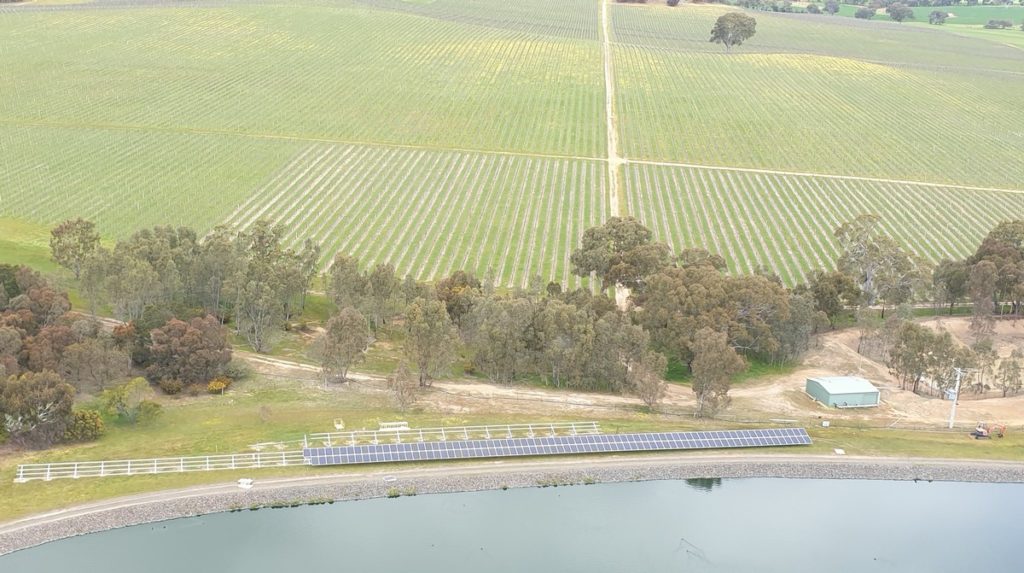
The roof of Best’s Great Western winery is fitted with a 390-panel, 95kWh system. Whatever electricity isn’t used in the winery is fed back into the grid. Our most recently acquired vineyard, Sugarloaf Creek, boasts a 330-panel 99kWh system and, once again, the power we don’t use is fed back into the grid.
At Best’s cellar door, we do all we can to limit our energy consumption. Our fireplace is lit through the winter months to reduce our reliance on reverse-cycle air-conditioning. In summer, energy efficiency is more of a challenge – especially on 45°C days.
The solar panel system, however, goes a long way to mitigating that load.
Water conservation and mulching
The Best’s Wines team constantly monitors its water usage across all areas of the winegrowing and winemaking process. In the vineyards, we’ve moved away from buying in mulch, which not only requires energy to produce, but also to transport. Instead, we’re leaving the grass to grow under the vines. This has much the same effect, cooling the roots and retaining moisture in the ground.
At Sugarloaf Creek, we use 100% recycled water which is supplied from Ararat through a special recycled pipeline in partnership with GWM Water. Our Concongella Estate vineyards in Great Western, and Salvation Hills vineyard in Rhymney rely on dam water, which is only supplemented in the most severe conditions.
While we don’t as yet reuse our waste water, we’re looking at installing a grey-water system in the future.
Tree-planting and biodiversity
To help prevent erosion at Best’s Sugarloaf Creek vineyard site, we’ve planted 4500 trees and installed 6 kilometres of fencing.
In terms of biodiversity, we have healthy populations of ‘good bugs’ including lacewings, ladybird beetles and orb-weaver spiders, as well as not-so-welcome shield bugs!
Recycling cardboard and soft plastics
Best’s is taking a lead in the industry to increase sustainable production and transportation through our recycling processes. We have recently invested in a Recycle Pack machine to recycle our cardboard boxes (and there are a lot of them) into packaging filler.
The great benefit of this system is that we can produce our own packaging from cardboard we’re using already. We may well be able to supply other businesses with it, too. Plus, we’re now able to stop using plastic bubble wrap for single-bottle transportation.
As well, we now recycle all soft plastics at the winery, including pallet wrap, and are currently investigating a new biodegradable pallet wrap alternative.
Reducing Spray with Smart Sensors
Best’s Wines and Wine Australia ‘Reading between the Vines’ video series, see Ben Thomson talk about the implementation of the Smart Apply spray system, to the vineyards here in Great Western.
UV-C Light Trials to Control Powdery Mildew
It’s no secret that Ben Thomson loves to tinker in the vineyards. So, how could he resist when in 2024 Wine Australia and Agri Automation approached him to test a fully autonomous vehicle using UV-C light to control powdery mildew on the vines as an Australian first?
The trial is happening in our Great Western Sugarloaf Creek vineyard, and whilst it may look like something out of an extra-terrestrial movie, there are plenty of benefits to be gained.
If you follow our news, you will have seen the UV-C light trials we’re conducting on an autonomous rover in our Sweeny Block at Sugarloaf Creek Vineyard in Great Western. This is part of a viticultural research project partly funded by Wine Australia.
It’s incredible to think about the progress we’ve made with technology to drive efficiencies in viticulture. We are always keen to embrace new methodologies and innovations that improve practices and allow us to make better wine.
We can’t wait to see how this new technology works, so stay tuned as we keep you updated on its progress.
Recently, Ben Thomson took us out into the vineyard to see the results firsthand. Two years in with no sprays, the early signs are promising.
It’s a valuable addition to our viticultural toolkit and another step toward a more sustainable future at Best’s.
Fighting Smoke with Modern Technology
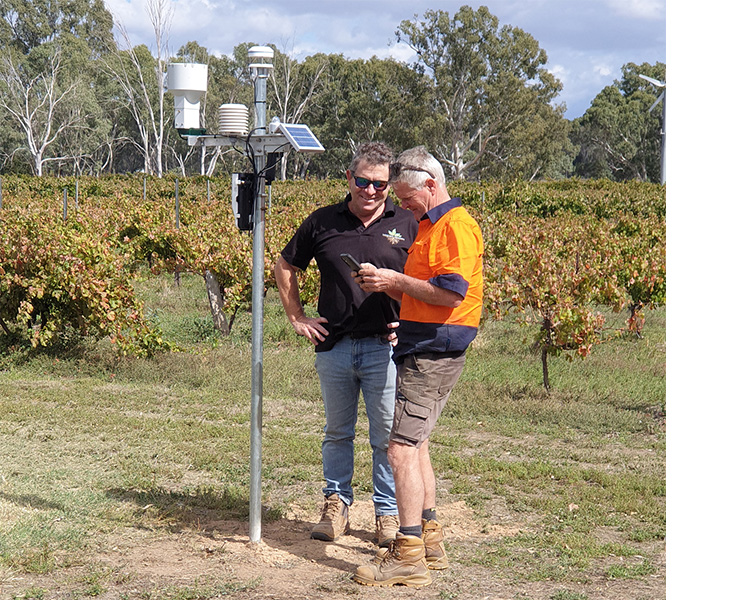
You may have noticed small devices dotted around our vineyards – there is one at the front of our Nursery Block here in Great Western. These are Wine Industry Smoke Detectors, known in the industry as “wizards.” They contain calibrated smoke sensors that continuously measure particles in smoke and link them to what we know about the effect of smoke on grape and wine chemistry.
The readings generate a traffic light risk rating – green means we can proceed with confidence, yellow indicates some risk worth investigating, and red means taint is likely.
We collect samples and then send our data to the AWRI Affinity Labs for further testing to make sure our fruit is in the best possible shape before harvest.
The wizards take the guesswork out of a difficult decision – protecting our fruit, our vintage and ultimately the wine in your glass.
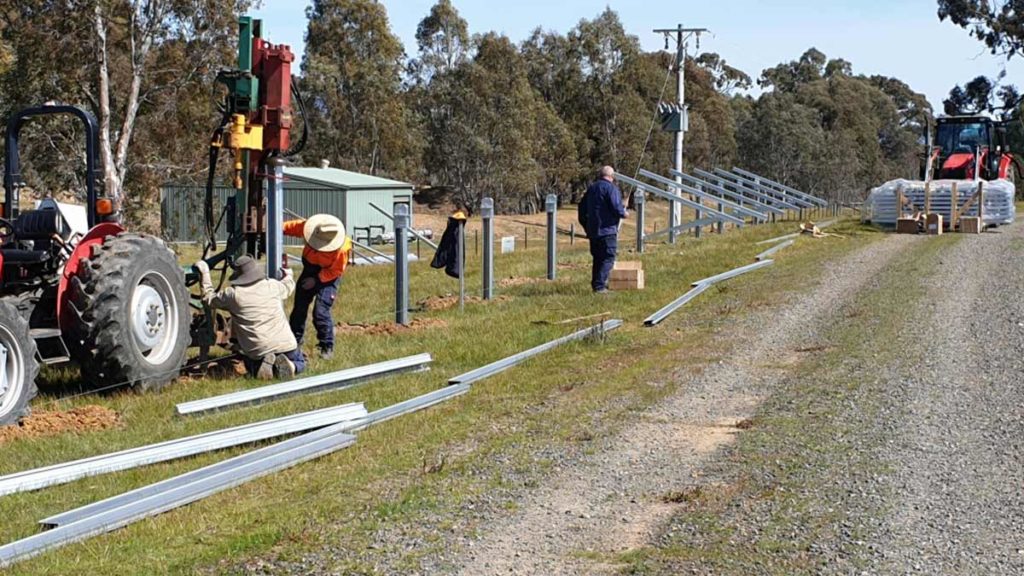
Changing from wooden to steel posts
Sometimes small changes to our vineyard practices can make the world of difference. Changing from wooden to steel posts has been one of these recent evolutions as part of improving our sustainability footprint.
Ben Thomson was recently out and about in the Chardonnay at Sugarloaf Creek Vineyard in Great Western looking at how the new vines were coming along. This move to steel posts has helped gain our certification as part of Sustainable Winegrowing Australia.
Sustainable Winegrowing Australia
We are proud to let you know that Best’s is now (2025) a certified member of Sustainable Winegrowing Australia. As custodians of some iconic Victorian vineyards, it’s critical that we continue to be responsible custodians of our land and we’ve put in place initiatives to continue to improve our footprint.
We are constantly working on new innovations to ensure we continue to care for our environment and operate a sustainable business as part of the broader community.

Best’s high-flying fight against frost
There are some challenges in viticulture that are hard to plan for, and the devastating black frost of 4 November 2017 was one that took its toll.
Despite having frost fans set up in the vineyard, the sudden onslaught of a cold burst of air that immediately settled on Best’s Concongella vineyard wiped out a large percentage of our fruit.
The resulting 2018 harvest was decimated. If you’ve not heard the story, we wrote about the impact of the frost in a previous post back in early December 2017.

Digging the Dirt on Great Western Terroir
Great Western forms part of the Grampians Geographical Indicator (GI) and while we love being part of the broader region, we thought it was about time to delve into what makes the ‘terroir’ of Great Western so unique.